Did you know hormonal birth control can cause symptoms like those of Polycystic Ovary Syndrome (PCOS)? This happens to 30-40% of people who stop getting their period. The term post pill PCOS isn’t officially recognized, but many report PCOS-like symptoms after stopping birth control.
This article offers insights into post pill PCOS, its causes, and symptoms. It discusses how stopping birth control affects PCOS management. By understanding hormone imbalances after the pill, diagnosing PCOS, and managing symptoms, you can take control of your hormonal health.
Key Takeaways
- Hormonal birth control can hide PCOS symptoms, making it hard to deal with them after stopping.
- PCOS-like symptoms may appear, showing the importance of knowing about post pill PCOS.
- Knowing about hormone changes after quitting the pill is key to managing them well.
- It might take up to three months for your period to become regular again after the pill.
- Understanding how to diagnose and manage symptoms is crucial for your health post birth control.
- Getting advice from a doctor can help you understand and manage post pill health issues.
What is Post Pill PCOS?
Post Pill PCOS is when a woman sees Polycystic Ovary Syndrome signs after stopping hormonal birth control. They might face changes like irregular periods, acne, and weight gain. Health experts see these symptoms differently from actual PCOS.
About 5-10 percent of women in their childbearing years have PCOS. The most common kind is insulin-resistant PCOS. Pill-induced PCOS comes next. It may appear after stopping birth control pills due to big hormonal shifts.
After stopping the pills, the body might need up to three months to adjust. Not dealing with symptoms can lead to issues. These include trouble getting pregnant, irregular periods, and unusual hair growth. Doctors might use blood tests and a sonogram to check further.
Hormonal birth control can hide existing hormonal problems. Knowing the difference between post pill PCOS and real PCOS helps women. It helps them better understand and manage their health.
Causes of Post Pill PCOS Symptoms
Understanding causes of post pill PCOS symptoms is important for those stopping hormonal birth control. When you stop taking the pill, your body goes through big changes. Hormone levels move up and down. This time can show hormone issues that were hidden by the pill.
The main reason for these symptoms is your body trying to get hormone levels back to normal. Birth control keeps hormone levels even. When you stop taking it, these levels change. Conditions like hypoandrogenism can show up, causing acne and hirsutism.
Genetics and how you live your life both affect these hormone issues after the pill. If your family has a history of PCOS, it’s more likely for you too. Things in your environment can also make hormone problems worse. This leads to symptoms after stopping the pill.
After quitting birth control, you might gain weight, see changes in your skin, and have different menstrual cycles. Health experts say these are normal as your body adjusts. Knowing about causes of post pill PCOS symptoms helps manage this phase better.
Understanding Hormonal Imbalance Post Pill
Hormonal imbalance after stopping the pill can greatly affect many women. This is especially true for those with post pill PCOS. The body may go through a period where androgen levels fluctuate. This can lead to various physical symptoms. It’s estimated that 6–10% of women in the United States have PCOS. Many of these women have used contraceptive pills, which make up 21% of contraceptive use today.
Hormonal contraceptives play a key role. They help regulate menstrual cycles and reduce androgen production. This eases PCOS symptoms. When a woman stops taking the pill, she may experience irregular periods, acne, and unwanted hair growth. She might also see a significant weight gain. But, these symptoms usually get better within weeks to six months. This happens as hormone levels start to normalize.
The time a woman has used contraceptives and her age when starting can influence her experience after stopping. Studies show that longer use may lead to more severe symptoms after stopping. Making positive lifestyle changes can help manage these symptoms. This includes eating healthier and getting more exercise.
It’s important to keep an eye on hormone levels after stopping the pill. Early actions and management of PCOS can prevent serious issues like type 2 diabetes and heart disease. Getting advice from healthcare professionals is crucial for women dealing with these hormonal changes.
| Aspect | Details |
|---|---|
| Percentage of women with PCOS | 6–10% |
| Contraceptive pill usage in the US | 87% of women have used contraception, 21% use pills |
| Symptoms of hormonal imbalance post pill | Irregular periods, acne, hirsutism, weight gain |
| Timeframe for symptom stabilization | Weeks to six months |
| Importance of lifestyle changes | Healthier diet and increased activity help in managing symptoms |
Common PCOS Symptoms After Stopping the Pill
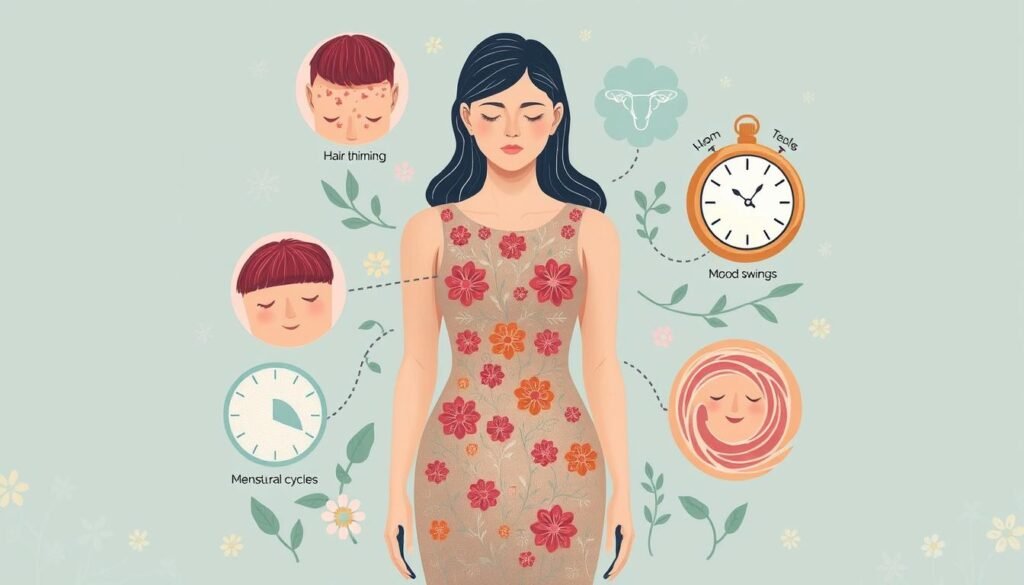
Many women notice different symptoms linked to polycystic ovarian syndrome (PCOS) after they stop using hormonal birth control. It’s key to spot these pcos symptoms after stopping the pill to understand how hormonal shifts impact health.
These symptoms often get worse after stopping the pill. They include:
- Irregular or absent periods
- Acne or worsening of existing skin problems
- More hair growth on the face, chest, or belly (hirsutism)
- Weight gain or trouble losing weight
- Pelvic pain or discomfort
- Mood swings or emotional changes
Once you stop birth control, a hormone imbalance may occur. This imbalance can lead to noticeable PCOS signs. While on the pill, many PCOS symptoms are hidden. Thus, when hormone levels change, PCOS symptoms can become more obvious.
Some effects might go away quickly, but others could lead to bigger health issues. Finding out which symptoms are temporary and which need medical care is crucial for women no longer on birth control.
| Symptom | Explanation |
|---|---|
| Irregular Periods | Irregular cycles might happen, showing hormonal changes. |
| Acne | Changes in hormones can increase oil and cause more acne. |
| Hirsutism | More androgen hormones can mean extra hair growth. |
| Weight Gain | It may be hard to lose or keep off weight due to changes in metabolism. |
| Pelvic Pain | Ovarian cysts or hormonal shifts can cause this pain. |
| Mood Swings | Hormonal changes might lead to feelings going up and down. |
Diagnosing PCOS After Birth Control
After stopping birth control, diagnosing PCOS becomes a bit tricky. The first step is talking in detail about your health and any symptoms with a doctor. Many notice signs like irregular periods and acne once they stop hormonal birth control.
The tests for PCOS include:
- Pelvic exams to check for signs of PCOS.
- Transvaginal ultrasounds to look at your ovaries and the inside of your uterus.
- Blood tests to check hormone levels and rule out other causes.
Doctors need to follow specific criteria to diagnose PCOS. They look for things like cysts on the ovaries, too much androgen, and irregular periods. Sometimes, the symptoms can seem like normal changes during teenage years.
When you stop taking hormonal birth control, PCOS symptoms might show up more. It’s key to catch it early. Your doctor might watch your blood pressure, sugar levels, and cholesterol if they think you might have PCOS.
If you’re worried about PCOS after stopping birth control, talk to a doctor. Sometimes, symptoms get better as your hormones even out. Every person’s PCOS experience is different. This means everyone needs a plan that’s right for them.
The Impact of Hormonal Birth Control on PCOS Management
Hormonal birth control offers both pros and cons for managing PCOS. It’s commonly given to make menstrual cycles regular and lessen PCOS symptoms. Mainly, combined hormonal contraceptives are the go-to for those with irregular or absent periods due to PCOS. However, while they help with symptoms, they don’t fix the root cause. This might delay getting the right diagnosis and treatment.
Stopping birth control might lead to post-pill PCOS. This brings on hormonal changes and increases in androgens. Symptoms like acne and extra hair growth can get worse, especially after using certain types of pills. Even though it might seem harder to manage PCOS at first, these impacts can decrease over time.
Doctors stress the need for personalized plans to treat PCOS after stopping birth control. Many birth control options exist, each with its own impact on hormones. For example, progestin-only methods might actually make PCOS symptoms worse. Knowing the different choices helps patients work better with their doctors to find what works best for them.
| Birth Control Type | Effects on PCOS | Potential Side Effects |
|---|---|---|
| Combined Hormonal Contraceptives | Regulates cycles, lowers androgen levels | Nausea, migraines, weight gain |
| Progestin-Only Pills | May exacerbate hyperandrogenism | Changes in menstrual cycle, mood swings |
| Low-Androgen Combination Pills | Beneficial for PCOS treatment | Breast tenderness, weight changes |
| Continuous Progestin-Only Contraceptives | Helps with irregular menstruation | Headaches, nausea |
Hormonal birth control is key in managing PCOS symptoms, but it also sets certain expectations about treatment. Research is crucial to discover the best ways to manage PCOS. The connection between hormonal contraception and long-term health issues is still complex. Tailored strategies are vital after stopping birth control. They help patients deal with their unique health situations.
Post Pill PCOS: Temporary vs. Long-Term Symptoms
When you stop taking hormonal birth control, you might face different symptoms. It is key to know which are temporary symptoms and which are long-term symptoms. This helps in figuring out how to deal with them.
Some people see changes like irregular periods, shifts in weight, and mood swings a few months after they stop the pill. This could mean that their body is just adjusting. Most of the time, these issues get better on their own.
If these problems keep going, it may mean there is a deeper issue like chronic PCOS. Treating long-term issues might involve changing how you live, what you eat, and taking specific supplements. These steps help with insulin resistance and PCOS’s other problems.
Knowing what your symptoms mean is very important. Always get a doctor to check your symptoms before deciding they are due to chronic post pill PCOS. Making changes in how you live, reducing stress, and getting the right nutrients are essential for both short and long-term relief.
| Symptom Type | Duration | Recommended Actions |
|---|---|---|
| Temporary Symptoms | 3-6 months | Monitor and maintain healthy lifestyle, manage stress |
| Long-Term Symptoms | Persisting beyond 6 months | Seek medical evaluation, personalized treatment strategy |
Understanding the difference between temporary and long-term post pill PCOS symptoms is crucial. This knowledge helps in handling these changes well. For more on handling PCOS, see detailed info on four types of PCOS.
Managing PCOS Symptoms After Stopping Hormonal Birth Control
It’s vital to manage PCOS symptoms well after stopping hormonal birth control. Post-birth control syndrome normally shows up within 4 to 6 months after you stop taking oral contraceptives. Those who have used pills, IUDs, implants, and rings might notice changes during this time. Some people see their symptoms go away in a few months. Others need more long-term help. Talking regularly with healthcare providers helps customize care based on your symptoms.
After stopping birth control, common issues include changes in your period, skin problems like acne, and fertility issues. Mood swings and weight changes can happen too. A 2016 study found a link between hormonal birth control and more cases of depression. This shows how important it is to look after your mental health during this change.
Treating PCOS after you stop birth control often involves changing your lifestyle and diet. Eating foods rich in folic acid, magnesium, zinc, and B vitamins is key. Eating well and staying active are great for balancing hormones and improving overall health.
If symptoms stay or are tough to handle, medical treatments might be needed. Hormonal meds can help balance things out. Making sure treatment fits your unique situation is key. If your period doesn’t return after stopping birth control, especially if you want to have a baby, see a doctor.
Regaining health after stopping birth control for PCOS takes a mix of lifestyle, nutrition, and medical care. This approach helps people take back their health.
For more info on helping PCOS after stopping birth control, check out available resources for more support and advice.
| Symptom | Possible Management Strategies |
|---|---|
| Menstrual Irregularities | Monitor cycles, maintain a healthy weight |
| Acne | Adopt a skin-care routine, consider supplements |
| Fertility Issues | Consult with a fertility specialist, track ovulation |
| Mood Disorders | Engage in counseling, practice mindfulness techniques |
| Weight Gain | Implement a balanced diet and exercise routine |
Lifestyle Changes for Regulating Cycles Post Pill PCOS
For those facing post Pill PCOS, making lifestyle changes is key. This condition affects 8% to 13% of women of reproductive age. Knowing how to adjust your lifestyle helps regulate your cycles again.
Exercise is greatly beneficial in this situation. It can lower testosterone levels, helping balance hormones. Research supports the positive impact of physical activity on this front.
Diet is also crucial. Eating whole foods helps stabilize insulin, reducing PCOS symptoms after stopping birth control. Eating plenty of fiber, and less sugar and bad fats, helps balance hormones. Losing weight can also help, with studies showing a possible reduction of about 1.68 kg.
Stress management is another helpful approach. Techniques like yoga and meditation can decrease stress. Reducing stress helps manage hormone fluctuations.
Good sleep is vital. It supports hormone regulation and overall health.
Some women’s cycles normalize within 30 days of stopping birth control. Yet, for others, it may take up to three months. Regaining hormonal balance requires patience and effort in making these lifestyle changes.
Medications for Treating PCOS After Discontinuing Birth Control
After you stop taking birth control, treating PCOS often needs a careful plan with different medicines. These treatments help with symptoms that show up after stopping hormonal birth control. Using a mix of options often works best.
Doctors usually suggest oral contraceptives, especially COCs, first for women with PCOS. They make menstrual cycles regular and can ease issues like acne and too much hair growth. Lowering estrogen to 20 to 35 μg has been effective but with fewer metabolic risks. It’s recommended to use them for at least six months to see changes in symptoms like hirsutism.
For those with insulin resistance, a common PCOS type, metformin is key. It improves how the body responds to insulin, which is crucial for handling PCOS. Around 70% of women with PCOS are insulin resistant, so metformin is vital. However, studies show metformin might not help with hirsutism as much as COCs. But, combining COCs and metformin could lead to better outcomes, as shown by research.
Also, anti-androgens like spironolactone are used to tackle high androgen levels. They can block or lower androgen production, supporting COCs’ effects. Choosing the right medicine depends on each woman’s specific symptoms and needs. Some might need different methods based on how severe their symptoms are.
The table below shows these medicines and what they do for PCOS:
| Medication | Purpose | Considerations |
|---|---|---|
| Combined Oral Contraceptives (COCs) | Regulate menstrual cycles and reduce symptoms of hyperandrogenism | Lowest effective dosage recommended |
| Metformin | Address insulin resistance and manage associated PCOS symptoms | May complement COCs for optimal results |
| Anti-androgens (e.g., Spironolactone) | Control hirsutism and acne | Monitor for side effects; female use only |

Talking with your healthcare team is key when looking at PCOS treatments after stopping birth control. Everyone’s experience is different; talking about symptoms and what treatments you prefer can help create a plan that works for you.
The Role of Diet and Exercise in Managing PCOS Flare-Ups
Managing the role of diet and exercise in managing PCOS flare-ups is key to better health for those with PCOS. Studies show that a large number of women with PCOS are overweight or obese. This highlights the importance of focusing on good nutrition and staying active.
Making smart food choices is crucial for reducing PCOS symptoms. A diet low in sugar and rich in anti-inflammatory foods is best. This helps in keeping insulin levels in check. People with PCOS usually have high insulin levels, which can lead to insulin resistance and inflammation. It’s vital to eat foods that are rich in protein and fiber to slow down glucose absorption and reduce insulin spikes. Planning meals smartly, like having the biggest meal when you’re most active, also helps in managing energy better throughout the day.
Working out for at least 150 minutes weekly is recommended for easing PCOS symptoms. Activities like aerobic exercises, particularly those of vigorous intensity, can help lower BMI and improve insulin resistance. High-Intensity Interval Training (HIIT) is especially good, showing great results in insulin sensitivity. Adding strength training to your routine can also help by lowering Free Androgen Index levels, which could ease PCOS symptoms.
To successfully manage PCOS symptoms, it’s beneficial to combine diet and exercise. Making simple lifestyle changes, like practicing yoga and meditation, can also help in managing symptoms. However, it’s best to talk to a healthcare provider before making big dietary changes to ensure they’re suitable for your health needs.
Adopting a well-rounded approach that focuses on the role of diet and exercise in managing PCOS flare-ups can really improve your life. Putting an emphasis on good nutrition, regular exercise, and stress management can help improve reproductive health and control symptoms.
For more detailed insights on managing PCOS, feel free to explore additional resources here.
Finding Support and Resources for Post Pill PCOS
Finding the right support for post pill PCOS is key. Many resources help people manage it well. Support groups, both online and in-person, are great for sharing and learning.
These groups offer emotional support too. This makes members feel connected and less alone as they handle their symptoms.
Therapy is a big help for the mental challenges of PCOS. Cognitive-behavioral therapy helps with anxiety and depression. Working with mental health pros can help improve your mindset.
This makes managing PCOS a bit easier.
Healthcare providers give personalized advice and treatment options. Gynecologists and endocrinologists help with hormone treatments. Nutritionists create custom diet plans.
They focus on all parts of your health, both physical and mental.
Educational resources like pamphlets and websites are also useful. They keep you up-to-date on PCOS management. Knowing about nutrition and exercise is crucial for symptom control.
In summary, for post pill PCOS, getting support involves many steps. The right network makes a big difference in handling PCOS.
| Resource Type | Description |
|---|---|
| Support Groups | Online or local communities for sharing experiences and fostering connections. |
| Therapy | Cognitive-behavioral therapy and counseling for mental health support. |
| Healthcare Professionals | Guidance from gynecologists, endocrinologists, and nutritionists on treatment and diet. |
| Educational Resources | Workshops and informational materials to stay informed about PCOS. |
Conclusion
Managing post-pill PCOS can be complex. It’s key to know that symptoms after stopping birth control might be temporary. They often lessen over time. Women’s health is complicated. It’s important to understand how birth control helps with PCOS.
Hormonal contraceptives can regulate cycles. But, it’s crucial to remember they might not fix the problem forever. Symptoms can come back after stopping them.
Adopting a whole-person approach helps in dealing with PCOS after birth control. This includes changing your lifestyle, getting support, and talking openly with your doctors. Eating better, exercising regularly, and practicing mindfulness are key. Also, Cognitive Behavioral Therapy may help mentally, offering extra support.
Understanding your body and taking charge of your health empowers women. They can then create a plan that suits them best. This leads to better health results and a higher quality of life.